Age-restricted homes are planned
for the Flying W airport
By Justin Kelly
NJ Real Estate Broker-Salesperson
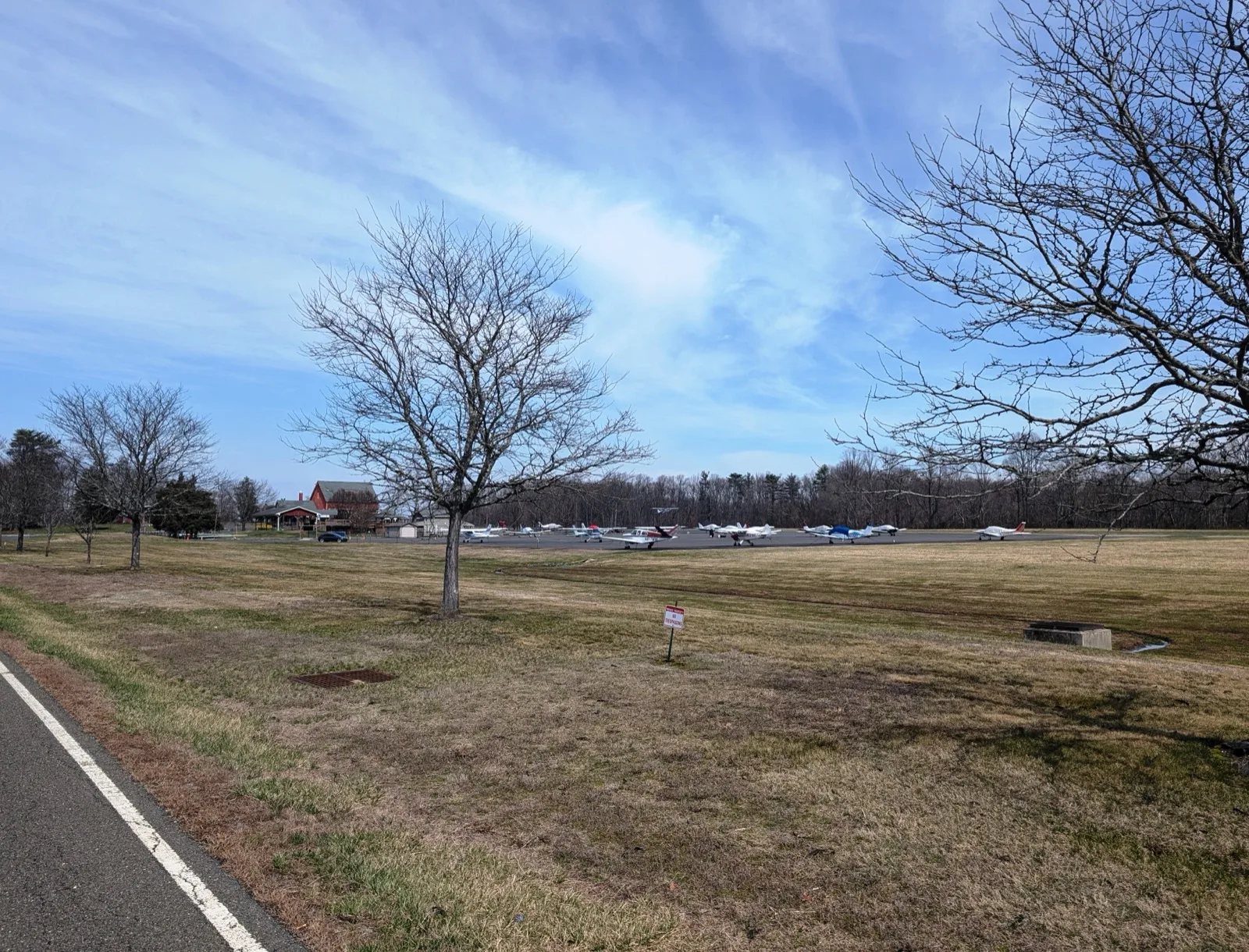
Medford and Lumberton have both designated the Flying W Airport and Resort for redevelopment as age-restricted housing, and a shared services agreement between the two towns now sets out who collects the trash, who inspects the work, and where each home's taxes go.
What was reported
- Flying W Airport and Resort spans Medford and Lumberton, and both townships have designated it for redevelopment, with part of the Medford side meeting Medford's remaining Round 3 affordable housing obligation
- The plan is phased: age-restricted single family homes on both sides of the line, plus age-restricted multifamily units in Medford
The story
The Flying W Airport and Resort sits across the Medford and Lumberton township line in Burlington County, and both towns have designated it for redevelopment. On the Medford side, part of the project is meant to meet the township's remaining Round 3 affordable housing obligation. The plan is phased, with age-restricted single family homes on both sides of the line and age-restricted multifamily units in Medford.
How many homes depends on which number you read. The February resolution puts roughly 138 of 238 single family units on the Medford side. Medford's then-township-manager, describing the same project to the council, said the plan contemplates 290 single family homes, about 100 in Lumberton and 190, give or take, in Medford. Both figures are in the public record and the two have not been squared in the meetings reported so far.
What drew attention in August is the shared services agreement between the two towns. Medford Council approved it in February on the consent agenda and added an addendum in April, and the details did not get a full public airing until residents raised them online ahead of the Aug. 11 session. Under the agreement, Lumberton handles trash, bulk, leaf and brush collection on both the Lumberton and the Medford portions, and Medford pays $275 per property per calendar year for it, starting when a home gets its certificate of occupancy. The addendum covers snow plowing, with Medford reimbursing Lumberton where Lumberton provides it, and what happens if Lumberton privatizes its trash service.
The rest of the agreement divides the ordinary business of a development that crosses a municipal line. Building permits, inspections and certificates of occupancy come from whichever town the structure stands in, while the engineering inspections, the bonding and escrow, and the supervision of plan design all run through the Medford Township engineer and are paid out of developer escrow. The homeowners associations, which the developers set up and the property owners maintain, also cover shared items such as stormwater basins, parking areas and street lighting. The current owner pays any rollback taxes, and that money goes to the township the land is in. Each home pays taxes and votes in the town it sits in, so two neighbors in the same project can be in different towns.
One piece is still open. When the resolution was introduced, the then-township-manager described Medford extending its sewer system into Lumberton to serve that part of the development. At the August session, the shared administrator told the council he could not find sewer anywhere in the agreement, that Lumberton's sewer service area does not reach that part of the township, and that he needed to do more research on it. The record does not yet say how the Lumberton part of the development will get sewer service.
Plans, phasing and timing can change. Reported by Pine Barrens Tribune. This is a summary in our own words; the full report is theirs.
What to know
Homeowners associations will maintain the private streets, clubhouses and open space, and property taxes follow whichever town a home sits in. If you are planning to downsize in Burlington County, we can walk you through the homes in both towns.